My jewellery – stories of Kalevala jewellery wearers on show at the Käkisalmi Museum
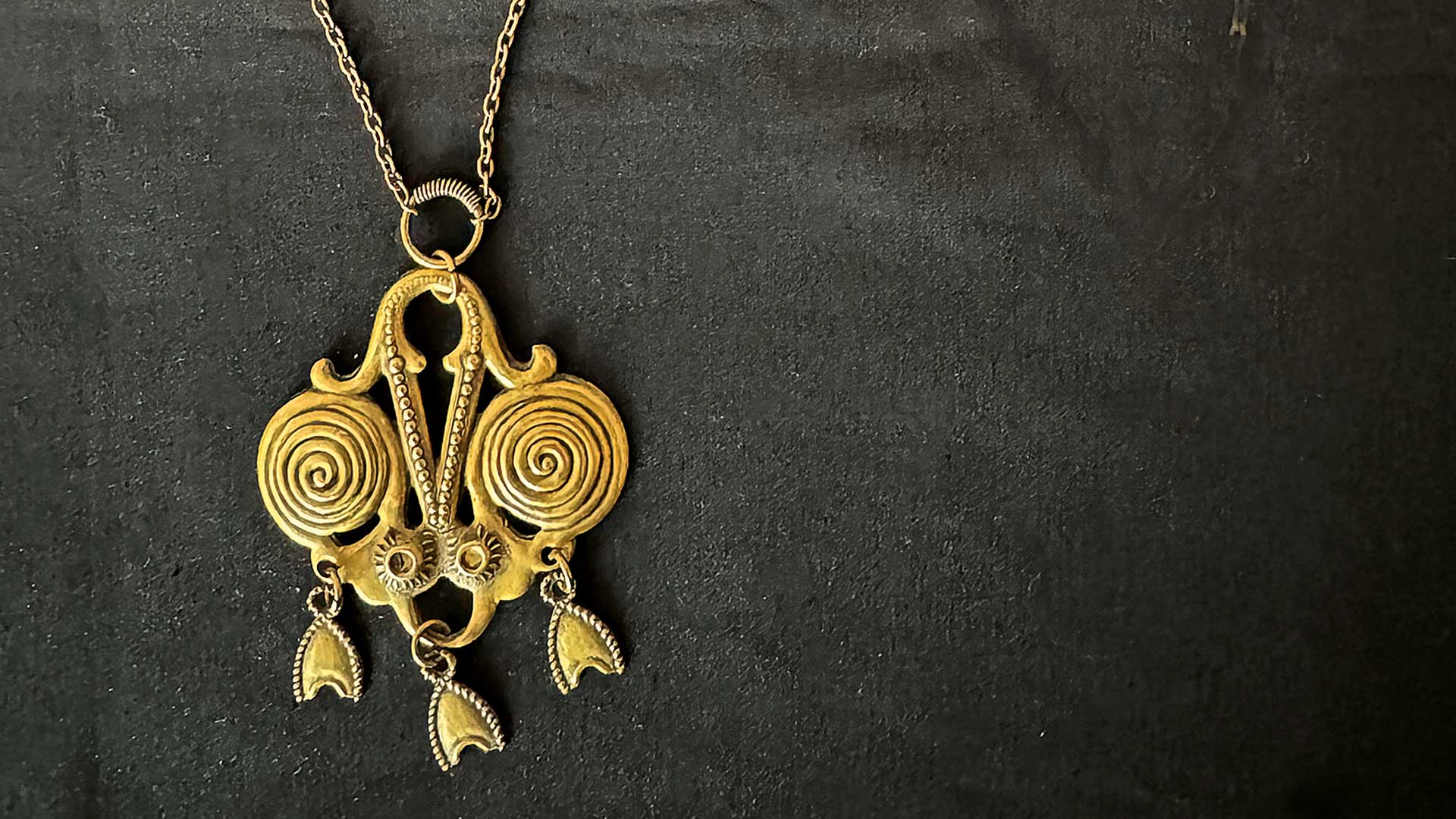
The "My Jewellery" themed exhibition featuring Kalevala jewellery, put together by Heinolan Kalevalaiset Naiset ry, will be on display at the Kexholm Museum from 3 September to 30 November 2025.
The exhibition consists of around 40 Kalevala jewellery items from various eras. Some of the pieces are based on models from the Merovingian, Viking and Crusade periods, while others are designed by contemporary designers at Kalevala Koru Oy.
Kalevala jewellery is known for its design and beauty
Kalevala jewellery is known in particular for its beautiful design and craftsmanship. It combines traditional elements with modern design and is popular both in Finland and internationally. The jewellery is aimed especially at women, and its inspiration has often come from Finnish mythology and folklore.
Many Kalevala jewellery pieces symbolise strength, beauty and the role of women in culture. They have been valued gifts and traditions passed down from one generation to the next, which can represent love, friendship or family ties.
Kalevala jewellery aiding those in need
In the 1930s, Elsa Heporauta and a group of socially active women wanted to bring the beauty of our female ancestors' jewellery within reach of modern women. The sale of replica and adapted ancient jewellery was intended to fund a statue for the Kalevalan woman.
The jewellery that went on sale in late 1937 received an enthusiastic reception and immediately soared in popularity. However, the war changed the plans for the monument, and the funds raised were used to help those in need.
Kalevala jewellery retained its popularity after the war as well. Kalevala Koru Oy is owned by the Kalevala Women's Association, and today the company directs a third of its output to charity.
Kalevala jewellery has a connection to Carelianism
Kalevala jewellery is culturally and symbolically connected to Karelianism in many ways. They are pieces of jewellery inspired by Finnish folklore, particularly of eastern Finland and Karelia, which combine national identity, folk poetry and visual tradition.
Many designs are based on objects found in Karelia, such as old bronze and silver jewellery. The Kalevala, the Finnish national epic, has also derived a significant portion of its material from Karelia: Elias Lönnrot collected the poems particularly from White Karelia. Because the jewellery is named Kalevala Jewellery and is based on the world of the Kalevala, they carry with them that Karelian oral and spiritual heritage from which the Kalevala was born.
Tribute to Kalevala Koru Oy
The exhibition aims to honour Kalevala Koru's significant work in preserving Karelian traditions, as well as to showcase the Kalevala jewellery belonging to members of the Kalevala Women's Association and tell the story of their significance to their owners.
Nine women have taken part in the project: Sisko Björk, Taina Eskola, Ritva Maijala, Marja-Leena Karinen, Leena Railimo-Saares, Eeva Naumanen and Henna Paasonen, as well as Nenna and Sini Valonen. The project leader, association chairperson and visual artist Henna Paasonen, has interviewed the association's members about stories and memories related to jewellery. The interviews with Sini and Nenna Valonen were conducted by the Käkisalmi Foundation.
In addition to the jewellery, the exhibition features information boards containing excerpts from the stories behind the pieces. A summary of the exhibition will also be published on the Kexholm Museum website and the museum's digital wall during the exhibition. The Kalevala Women of Heinola are producing a separate publication about the jewellery and their owners.
The exhibition also allows visitors to explore the old technology used in jewellery making.
The photographs of the project participants and their jewellery were taken by Sysmä-based photographer Silvi Kaarakainen. The exhibition also features 'Neidonvaaja' jewellery made by the association's member, master metalsmith Kirsi Vahtera.


