Erkki Melartin, the musical multi-talent from Käkisalmi
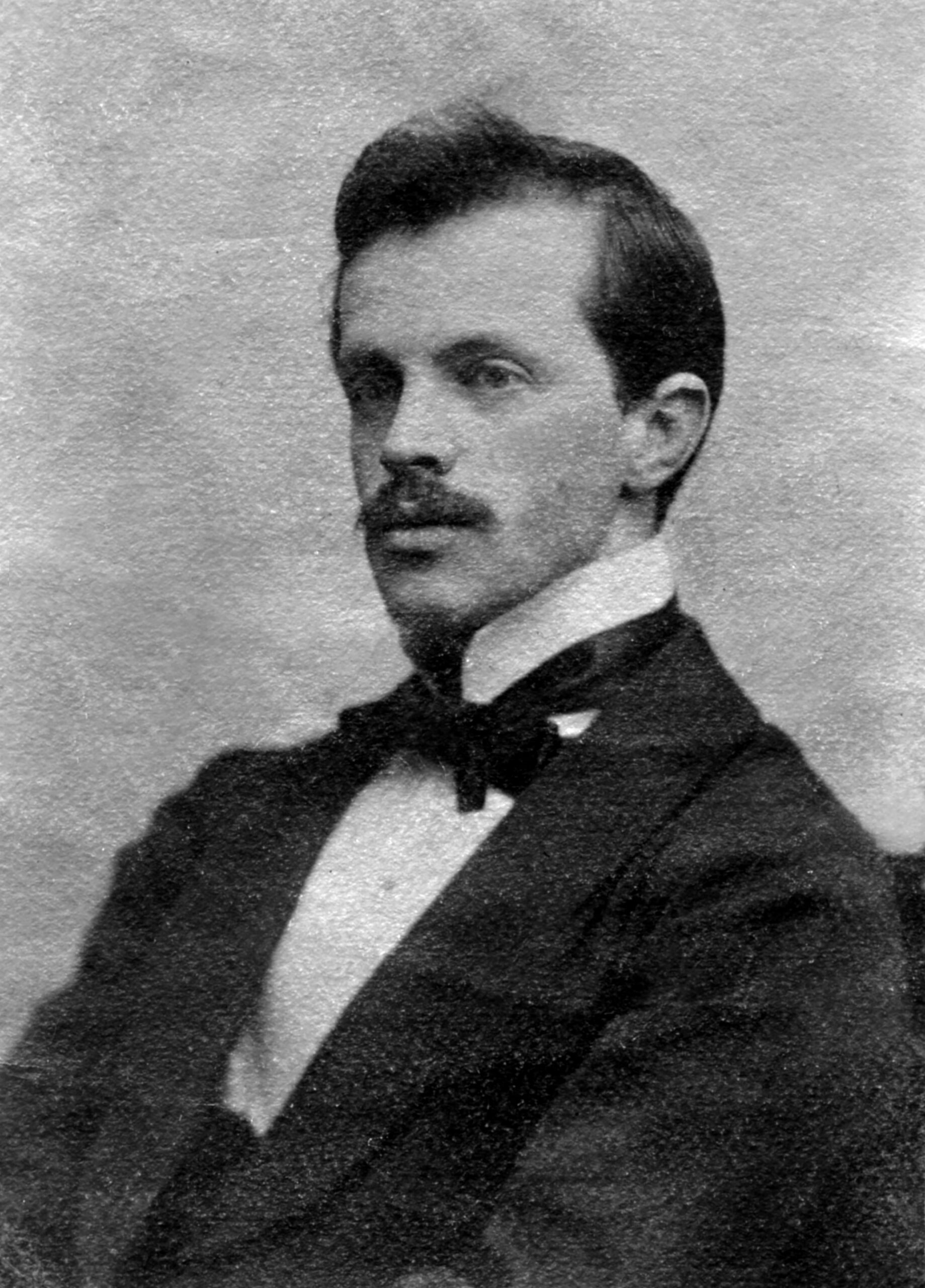
Erkki Melartin – a musical all-rounder from Käkisalmi

Erkki Melartin (1875–1937) was a composer, conductor and versatile artist from Kexholm who left a significant mark on Finnish musical life. He was one of the most prolific and versatile composers of his time, although his works are nowadays heard relatively rarely in concert programmes.
Versatile composition production
Melartin's compositional output covers almost all genres of music. He composed six symphonies, orchestral and chamber music, 350 piano pieces, over 300 songs and an opera Aino and ballet Blue pearl. Furthermore, his output includes incidental music, children's songs and Karelian folk song arrangements, which he collected at the Ampiala Manor in Käkisalmi together with Eeva Ampiala. He even composed pop songs under the pseudonym Eero Mela.
Melartin's musical language combines national romanticism, impressionism and expressionism, which makes his oeuvre versatile and unique.
Childhood and youth in Kexholm
Erkki Melartin spent his childhood in the village of Ostamo in the rural municipality of Kexholm. Later, he was a regular summer visitor at the Ampiala manor. His father, registrar O. M. Melartin, was originally from Kuopio and married Gustava Renfors, whose parents lived in Kajaani. They had three children, of whom Erkki was the youngest.
Melartin's mother died shortly after his birth, and the family moved to the town of Kexholm. The father later remarried Maria Wallenius, who cared for the children as her own. The family settled in Tapiola, where Melartin grew up together with his seven half-siblings.
Schooling and musical development
Melartin learnt to play the piano by himself, picked out tunes and gradually the world of music opened up to him. He went to school in Käkisalmi, but poor health disrupted his studies. During his school years he lived in the care of Provost Wallenius and did well, often being the top pupil in his class. He had a special talent for writing, and might write several long essays on a single subject.
Later he moved to Savonlinna to continue his studies, but heart problems forced him back to Käkisalmi. In his home region his health improved, and he went to Helsinki to study music at the Music Institute (now the Sibelius Academy).
Musical career and impact on the Finnish music scene
Between 1908 and 1911, Melartin served as conductor of the Vyborg Friends of Music Orchestra and founded the Vyborg Orchestral School, where he also taught. In 1911, he became rector of the Helsinki Music Institute, remaining there until 1936. His work in education nurtured a new generation of musicians and composers.
Melartin was also interested in visual art and poetry, which complemented his multidimensional artistic profile. Although he was appreciated in his time, his output was partly overshadowed by that of Jean Sibelius. Only later have his merits gained greater recognition. The emotional richness, versatility and deep humanism of his music make him an important figure in Finnish art history.
Collector of folk songs
Melartin was deeply attached to his native region and constantly spent his summer holidays at Ampiala Manor. He familiarised himself with folk songs from Käkisalmi, wrote down the most valuable ones and later published them as a printed collection. He described his folk song experiences as follows:
”Near Käkisalmi there is a small lake, Ostamo by name. This is connected to the Vuoksi by a little winding river, over which a pretty bridge leads to a fine house. In that house I have lived many a happy time and on that bridge spent many a joyful evening. In summer, when the day's work was over and the evening meal hurriedly shoved down, we gathered as a household upon the bridge. We sat and talked, and every now and then we sang…”
Melartin emphasised the significance of folk songs for Finnish culture and considered them an important part of the Finnish identity.
Heritage and Significance
Melartin's best-known composition is a march Sleeping Beauty, which is still played at many wedding ceremonies. His musical legacy lives on, and his compositional style, which combines elements of Romanticism and Impressionism, continues to fascinate new generations of listeners.
Erkki Melartin was not only a significant composer but also a cultural influencer who understood the value of folk music and tradition. His work still lives on in Finnish musical culture and art.