Experience and taste the period of scarcity in summer 2025
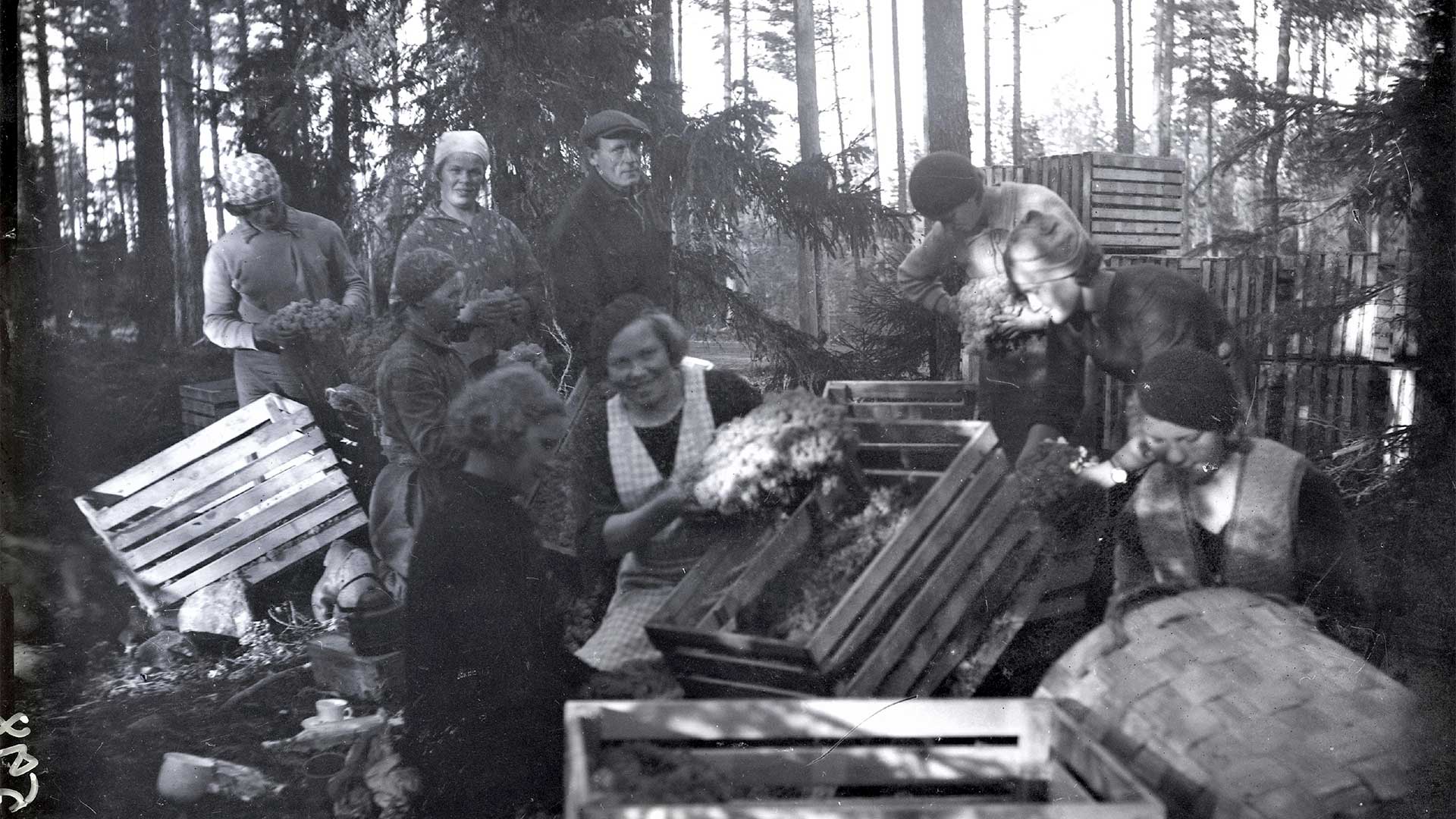
Sense and taste the austerity period at Käkisalmi Museum in the summer of 2025
Käkisalmi Museum's summer 2025 themed exhibition Life on a ration card – sense and taste the era of scarcity take visitors on a time journey to the heart of Finnish everyday life in eras of scarcity and creativity. The exhibition is open from the beginning of June to the end of August.
Finnish kitchens put to the test – times of scarcity throughout the ages
Finnish food culture has been shaped not only by the bounty of nature, but also by the need to survive. The exhibition explores several periods in history when access to food was by no means guaranteed. The bleakest period came in the late 1860s: the crop failures of 1866–1868 led to a severe famine, as a result of which some 150,000 Finns perished – more than 8 % of the population.
The early 20th century also included several difficult periods: the First World War and the 1918 Civil War caused food shortages as trade links were severed and food production was disrupted. Food was rationed, and black market trading became widespread.
The years of rationing: 1939–1954
The era of proper rationing began with the outbreak of the Winter War in 1939 and lasted exceptionally long – all the way until 1954. During the Second World War and even afterwards, many foodstuffs – grain, fats, meat, sugar, and dairy products – were on the ration.
Food was distributed according to the instructions of the Ministry of Supply, and life, which was regulated in detail, was punctuated by ration books, queues and guidance manuals.
Rationing ensured the nation's food supply, but everyday life required constant adaptation. Home kitchens transformed into stages for creativity and survival, where ordinary ingredients were given new uses: coffee was replaced with roasted grain, sweetness was provided instead of sugar by chicory, among other things, and in the absence of meat, root vegetables and greens were favoured.
Following the end of the wars, widespread scarcity still affected all activities, as there was a shortage of raw materials in construction and industry, as well as of consumer goods in everyday family life.
When rationing ended in 1954, Finnish society had undergone a massive transformation – the era of scarcity left behind a legacy of making do with little and an appreciation for household ingenuity.
A culinary journey into the past
A special feature of the Keksholm Museum's summer exhibition is, among other things, a hard times food menu, which offers museum visitors tastes from the era of hardship. Museum visitors can sample, for example, nettle and barley breads, oat cake, nettle stew or lingonberry-carrot kissel.
The exhibition also features items and instructions from the period of scarcity, which guided citizens in cooking with limited ingredients.
At Museum Café Käki, there is rationing-friendly fare on offer, along with coffee substitutes and a ”pastry treat” made without wheat or sugar.
Historical context and a contemporary perspective
The exhibition not only presents history – it invites us to consider what we can learn from the past. When discussing food security, security of supply and sustainable lifestyles, the lessons of times of scarcity are relevant once again. Pay by card reminds us that resilience, ingenuity and community are the foundation of survival – then and now.
Survival skills in the home kitchen – on a shoe-string budget
Exhibition open at Kexholm Museum from 1 June to 31 August 2025


