Erkki Melartin – Towards the Heights exhibition at the Käkisalmi Museum
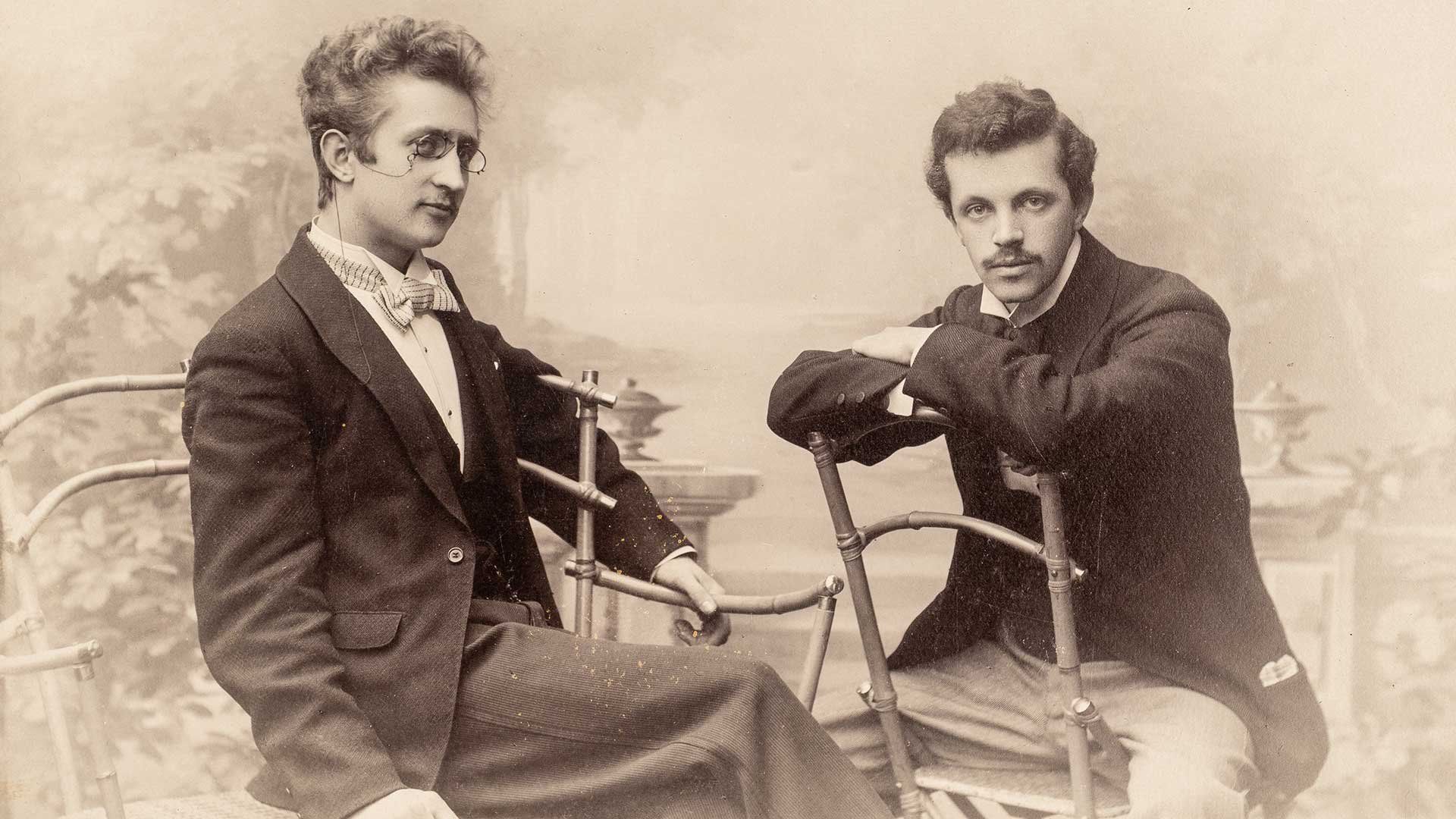
In the summer of 2026, the Käkisalmi Museum has brought an extensive exhibition showcasing the life and work of Erkki Melartin to Heinola.
The exhibition has been put together from extensive material, largely in private ownership, compiled by the composer's biographer, Doctor Tuire Ranta-Meyer. An exhibition showcasing the same material, entitled Towards the Heights, was on display at the National Library last year, and it now offers the people of Heinola and summer visitors the opportunity to explore Melartin's versatile life and work.
Exhibition, Erkki Melartin – From Käkisalmi towards the heights, open up perspectives on the life of the composer born in Kexholm rural municipality from the late 19th century to the 1930s. Melartin is known not only as a composer but also as a conductor, teacher, and rector of the Sibelius Academy, who significantly influenced the development of Finnish musical life.
The exhibition features a wealth of authentic material from private collections. On display are photographs, bookplates, sheet music covers, various editions of aphorism collections, as well as personal items and paintings. A corner of the library from Melartin's Pukinmäki villa has also been recreated for the exhibition, which includes two portraits painted by the artist Kaarlo Atra.
”In the evening the tired moon travels its ancient path across the sky and builds a silver bridge across Lake Ostamojärvi. The diamond cloak of the stars shimmers above and Jupiter blazes at the edge of the forest above my childhood home. It is like walking in eternity.”
−Erkki Melartin in a letter on 8 August 1914 to Ester Ståhlberg.
Melartin's love for his homeland emerges strongly in the exhibition. The landscapes of Kexholm – forest ponds, the starry sky and familiar places such as Lake Ostamo – served as an inexhaustible source of inspiration for the composer.
Erkki Melartin had significant international networks. He was very multilingual and travelled to almost every European country, as well as to Egypt, India, Africa and the Palestinian peninsula. Alongside his cosmopolitanism and hobbies, the exhibition presents Melartin and his era from the late 19th century to the late 1930s.
In connection with the exhibition, there is a 16-minute documentary related to Melartin. It features stories and discussions about the anniversary composer, his music and his life's destiny.
Melartin's own words describe his relationship to work and the world: “It's simply wonderful how one can thus completely immerse oneself in one's work, forget everything and float high, high up.” The exhibition invites visitors into the same world – to experience the composer's life, music and spiritual heritage.


